Does Horse Insurance Actually Pay Out?
Mortality premiums run 2.5-4% of insured value; major medical $150-$1,500/year. Here's what horse insurance actually covers, and what it excludes.
Mortality premiums run 2.5-4% of insured value; major medical $150-$1,500/year. Here's what horse insurance actually covers, and what it excludes.
Breed lists say Quarter Horse or Morgan. What actually predicts a safe first horse is age, training, and mileage, not the breed on the papers.
A pre-purchase exam runs roughly $250-$500 for the basics. Here's what should never be skipped, what's optional, and how to scope it to the horse.
A horse that seems too calm, or a seller who resists a pre-purchase exam, are two different warning signs. Here's what each one means for a buyer.
Bombproof," "serviceably sound," "needs an experienced rider." Here's what horse sale ad phrases actually mean, and the question each one should trigger.
A boarding barn tour can look fine and still hide a billing, feeding, or safety gap. Here's what to ask before you sign, grouped by what it protects.
Full board and pasture board differ by two to four times in price because of what's bundled in. Here's what each typically includes and misses.
The real difference between leasing and buying a horse isn't the monthly bill. It's the purchase price and how easily you can get out.
There is no fixed age cutoff for buying a horse. Here is what to evaluate instead, and why the pre-purchase exam matters more on an older horse.
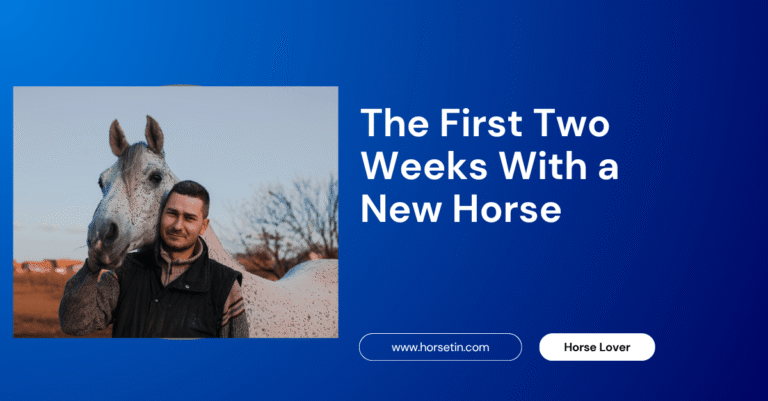
A sequenced two-week plan for a new horse's arrival, covering quarantine, feed transition, routine-building, and the first slow rides.